Where Personal Injury Attorney Marketing Loses Urgent Leads
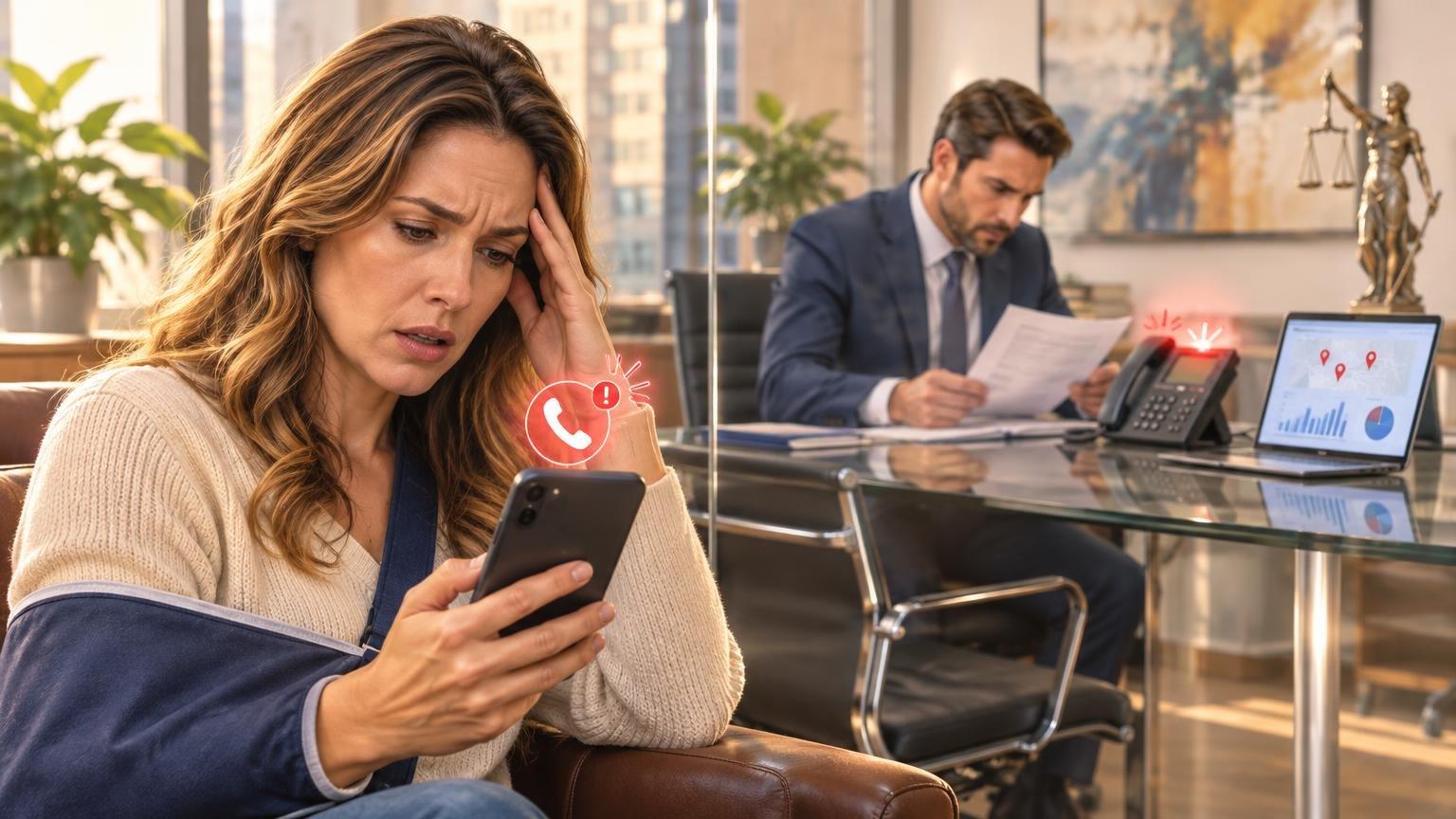
Urgent injury leads do not usually spend weeks comparing law firms. They may be searching after a crash, a fall, a workplace injury, or another painful event when they need a clear answer and an easy next step. At CompleteSocial, we see how quickly a potential client can move from searching to choosing a firm.
That decision often begins with a Google search, Google Maps result, voice search, or AI-generated answer. If your firm is hard to find, hard to trust, or hard to contact on a phone, the lead may choose another option before learning what you do. Personal injury attorney marketing can lose leads through weak local visibility, incomplete profiles, slow mobile pages, and unclear AI search signals.
Personal Injury Attorney Marketing Misses Local Intent
Broad marketing messages may bring attention, but urgent searches are often very specific. A person might search for an attorney near a hospital, near an accident location, or in the community where the injury happened. They may also add words like "near me," "open now," or the name of a nearby neighborhood.
When your site only has a general personal injury page, it may not answer those local searches well. We recommend building useful geo-targeted pages that connect your services to the real places you serve. These pages should speak clearly about local communities, accident-prone roads, nearby courts, and other relevant locations without repeating the same thin content from page to page.
Strong local signals often include:
- City and community service pages with original, helpful information
- Accurate listings across legal directories and map platforms
- Consistent business name, address, phone number, and website details
- Clear practice-area language tied to the locations you serve
Conflicting information can create doubt for both search platforms and potential clients. If one listing has an old phone number or a different office address, an urgent lead may stop there and keep searching. Consistency helps people feel confident that they have found the right firm.
Slow Mobile Paths Turn Panic Into Abandonment
Many urgent injury searches happen on a mobile device. Someone may be in a vehicle, at a medical facility, at work, or sitting at home after a difficult day. They are not looking for a complicated website experience. They want quick reassurance and a simple way to take action.
A slow-loading page, tiny text, or a pop-up that blocks the screen can push a visitor away fast. We often find that firms lose inquiries because their phone number is buried, their contact button does not work well on mobile, or their form asks for too much information before a person knows what to expect.
A better mobile path should make the next step obvious:
- Place click-to-call options where visitors can easily see them
- Keep practice-area messaging short and easy to scan
- Share availability details clearly and accurately
- Explain what happens after someone submits a form or makes contact
- Remove barriers that make the page hard to read or use
Your visitors may be overwhelmed, in pain, or unsure whether their situation belongs in a lawyer's office. Calm, direct wording can make a big difference. The goal is not to pressure people. It is to make it easier for them to understand who you help and how to begin a conversation.
Google Business Profiles Lose High-Intent Calls
For many local searchers, your Google Business Profile is the first thing they see. They may view it before visiting your site, especially when using Google Maps or searching from a phone. A profile with missing details, outdated hours, weak categories, or few recent reviews can make a firm seem less available or less relevant.
Our approach to personal injury attorney marketing includes treating your Google Business Profile as a front door, not an afterthought. Every detail gives a searcher another reason to feel comfortable choosing your firm over the next result on the screen.
A complete profile should include accurate details such as your legal service categories, business hours, service areas, photos, appointment options, and direct contact methods. Descriptions should clearly explain your focus without making promises about case outcomes.
Reviews matter during fast decisions, too. A person comparing firms may read only a handful of recent comments before making a choice. Ethical review-request processes can help create a steady flow of authentic feedback. Thoughtful responses also show that your firm pays attention to the people it serves.
AI Search Gaps Keep Your Firm Out of Answers
AI-powered search tools increasingly answer questions before a person clicks a traditional result. Someone may ask what to do after a car accident, when to speak with an attorney, whether consultations are available, or how long an injury claim might take. If your site does not provide clear, organized information, it may be less likely to appear in those answers.
We recommend content that addresses common questions in plain language while staying within appropriate legal marketing boundaries. Attorney profiles, practice-area pages, local service pages, and frequently asked questions can all help search systems understand what your firm does and where it is relevant.
AI visibility is not separate from SEO. It rests on the same solid foundation:
- Accurate local citations and map listings
- A complete Google Business Profile
- Clear on-page headings and service descriptions
- Helpful location-based content
- Organized attorney and contact information
Late November is a smart time to review these signals. Thanksgiving travel can bring heavier roadway traffic, while winter weather, holiday gatherings, and seasonal travel can lead people to search for help at unexpected times. Your urgent-contact messaging should be easy to find before those searches begin.
Capture the Next Urgent Search Before It Goes Elsewhere
Lost leads are not always a demand problem. Often, the person was already looking for help but found a firm that was easier to locate, easier to trust, and easier to contact in the moment. We encourage a careful review of your local listings, Google Business Profile, mobile contact path, city-specific pages, reviews, and AI search readiness before holiday travel and year-end activity increase.
A strong presence does not need to feel flashy. It needs to be accurate, clear, and ready when someone searches under pressure. When your firm shows up with helpful information and a simple path forward, fewer urgent opportunities slip away.
Turn More Urgent Searches Into Signed Cases
CompleteSocial helps firms create a clearer, more responsive digital presence that supports prospective clients when timing matters most. See how personal injury attorney marketing can strengthen your intake path and help your team capture more qualified opportunities. Our approach keeps the process focused, practical, and built around your firm's goals.